
Gastrointestinal Health: A Comprehensive Guide
The gastrointestinal (GI) system, also known as the digestive system, plays a crucial role in maintaining overall health by breaking down food, absorbing nutrients, and eliminating waste. Understanding how to maintain gastrointestinal health is essential for well-being. This guide will explore the components of the gastrointestinal system, common disorders, and tips for maintaining a healthy digestive tract.
What is the Gastrointestinal System?
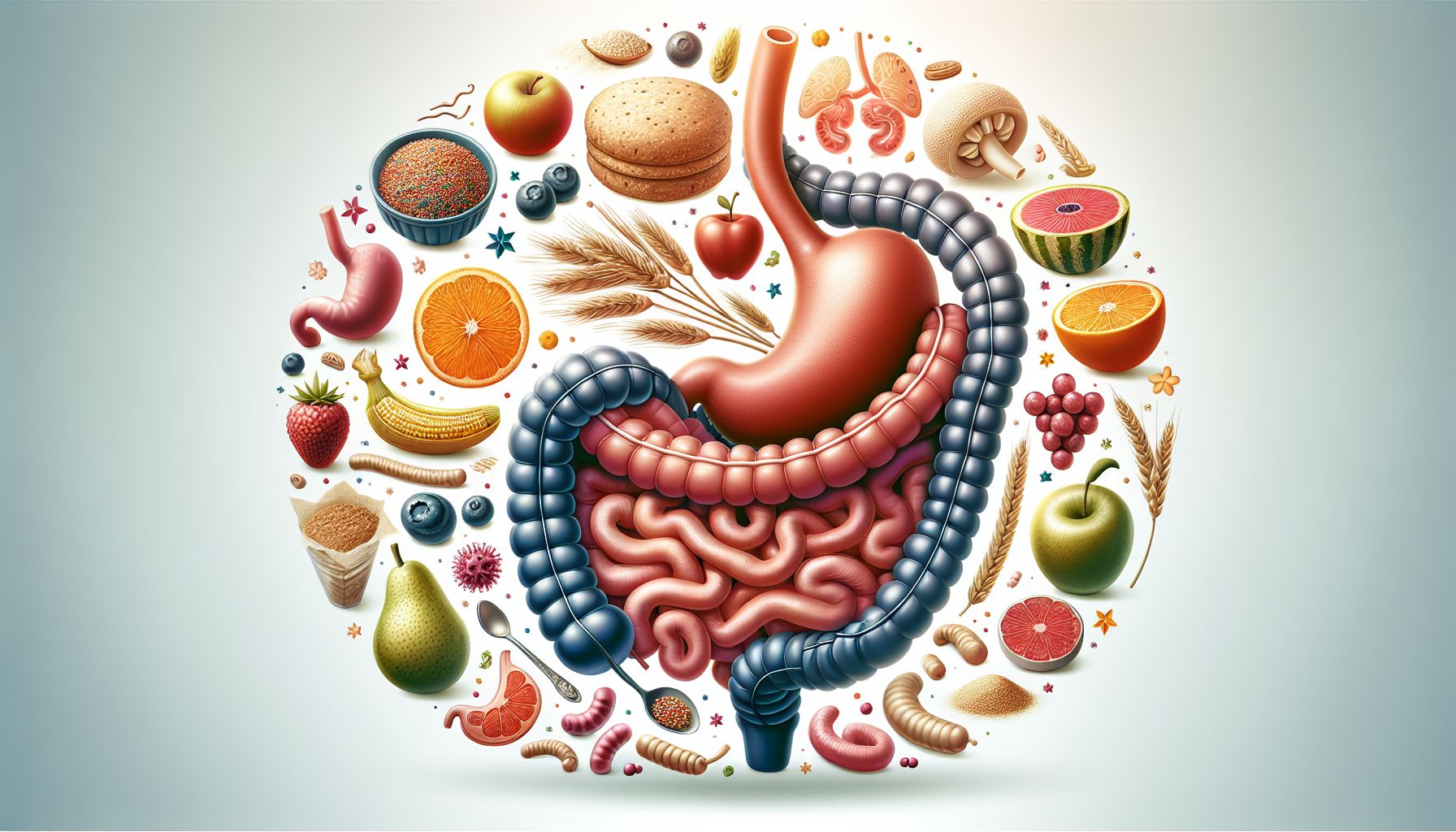
The gastrointestinal system consists of a series of hollow organs joined in a long, twisting tube from the mouth to the anus. It includes the mouth, esophagus, stomach, small intestine, large intestine (colon), rectum, and anus. The liver, pancreas, and gallbladder are solid organs that support the digestive process.
Mechanism of Action
The primary function of the GI system is to digest food and absorb nutrients. This process begins in the mouth, where food is chewed and mixed with saliva. The food then travels down the esophagus to the stomach, where it is mixed with gastric juices. The partially digested food moves to the small intestine, where the majority of nutrient absorption occurs. Finally, the remaining waste products are passed into the large intestine and excreted.
Common Gastrointestinal Disorders
Understanding common gastrointestinal disorders can help in managing symptoms and seeking appropriate treatment. Some prevalent conditions include:
– Gastroesophageal Reflux Disease (GERD): A condition where stomach acid frequently flows back into the esophagus, causing irritation.
– Irritable Bowel Syndrome (IBS): A disorder characterized by abdominal pain and changes in bowel habits.
– Inflammatory Bowel Disease (IBD): Includes Crohn’s disease and ulcerative colitis, which involve chronic inflammation of the GI tract.
– Celiac Disease: An autoimmune disorder where ingestion of gluten leads to damage in the small intestine.
Indications for Use of GI Medications
Medications are often prescribed based on the specific GI disorder. For example, proton pump inhibitors (PPIs) are commonly used for GERD, while anti-inflammatory drugs may be prescribed for IBD. It’s crucial to follow a healthcare provider’s recommendations for medication use and dosage.
Maintaining Gastrointestinal Health
Maintaining a healthy gastrointestinal system is essential for overall health. Here are some tips:
1. Balanced Diet: Consume a diet rich in fiber, fruits, and vegetables to support digestive health.
2. Hydration: Drink plenty of water to aid digestion and prevent constipation.
3. Regular Exercise: Physical activity helps maintain a healthy weight and promotes regular bowel movements.
4. Stress Management: Practice stress-reducing techniques such as yoga or meditation to prevent stress-related GI issues.
Possible Side Effects of GI Medications
Like all medications, those used for GI disorders can have side effects. Common side effects include nausea, diarrhea, or constipation. It’s important to discuss any concerns with a healthcare provider.
Expert Comments
According to Dr. Jane Smith, a gastroenterologist, “Maintaining GI health is about balance. A balanced diet, regular exercise, and stress management are key components. If you experience persistent symptoms, seek medical advice.”
Pharmacist John Doe adds, “It’s crucial to use GI medications as prescribed. Overuse or incorrect use can lead to complications.”
Additional Resources
For more detailed information, consider visiting reputable medical sites such as the National Institutes of Health or the American Gastroenterological Association. For purchasing recommended products, consider visiting our site: Explore Products.
By understanding the mechanisms, disorders, and maintenance of the gastrointestinal system, individuals can take proactive steps towards optimal digestive health. Regular consultations with healthcare professionals are recommended for personalized advice and treatment plans.

